Every few years, someone announces that organizations no longer need websites. The proposed replacement changes—social profiles, marketplace pages, apps, AI answers—but the bargain stays the same: build your presence on somebody else’s rules.
Those platforms are useful doors. They should not become the building.
Ownership creates continuity
An organization controls its domain, information architecture, accessibility, analytics and publication history. It can connect campaigns, explain complex offers and correct the record without waiting for a platform format to permit it.
That continuity matters when discovery fragments. Different systems can point back to one accountable source.
The website is evidence
People use a site to verify that an organization exists, understand what it does and decide whether it can be trusted. Nielsen Norman Group identifies current content, professional design, disclosure and connection to the wider web as durable credibility signals.
A thin profile inside a closed platform cannot carry the same institutional depth.
Ownership comes with duties
An owned site can still be neglected, inaccessible or impossible to update. Control without governance produces a liability. Teams need named ownership, publishing standards, maintenance and access to their accounts and data.
Agency support is compatible with ownership when the organization retains the keys and knowledge.
Build for exchange, not isolation
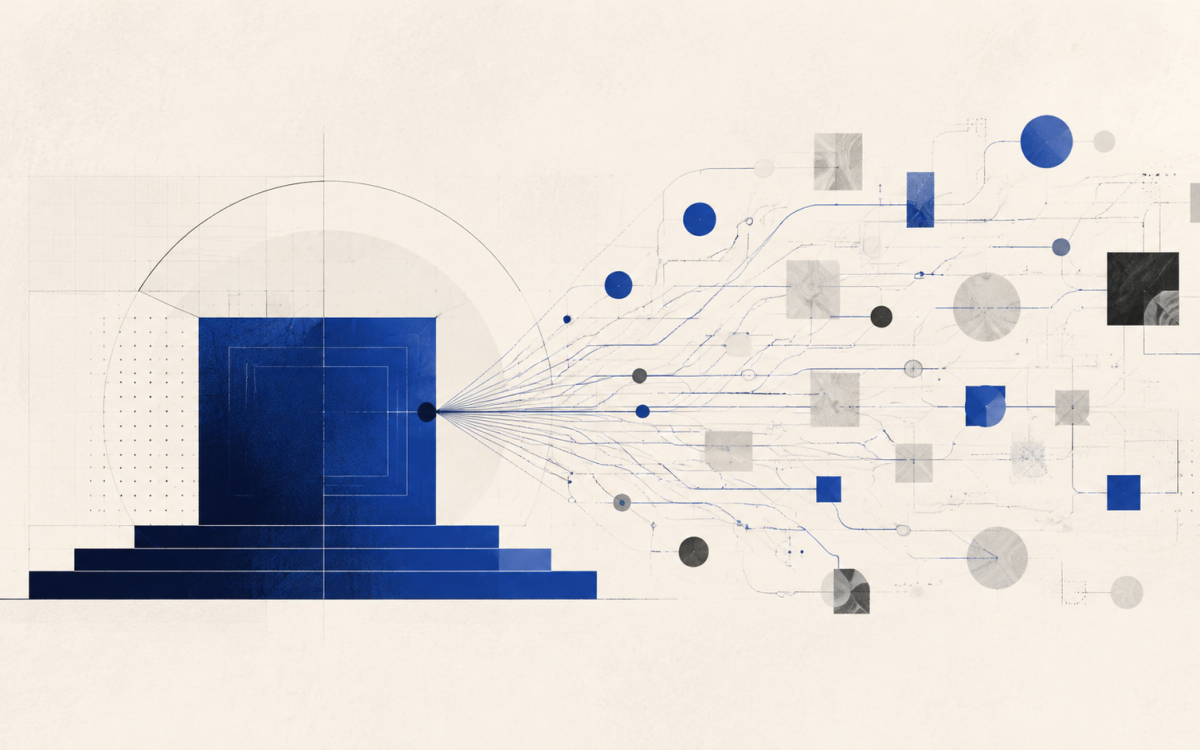
Owning a website does not mean expecting everyone to begin there. Publish in the channels your audience uses. Structure content so search and AI systems can understand it. Let useful pages travel.
The strategic advantage is having a durable source to travel from—and a place people can reach when they want the full answer.